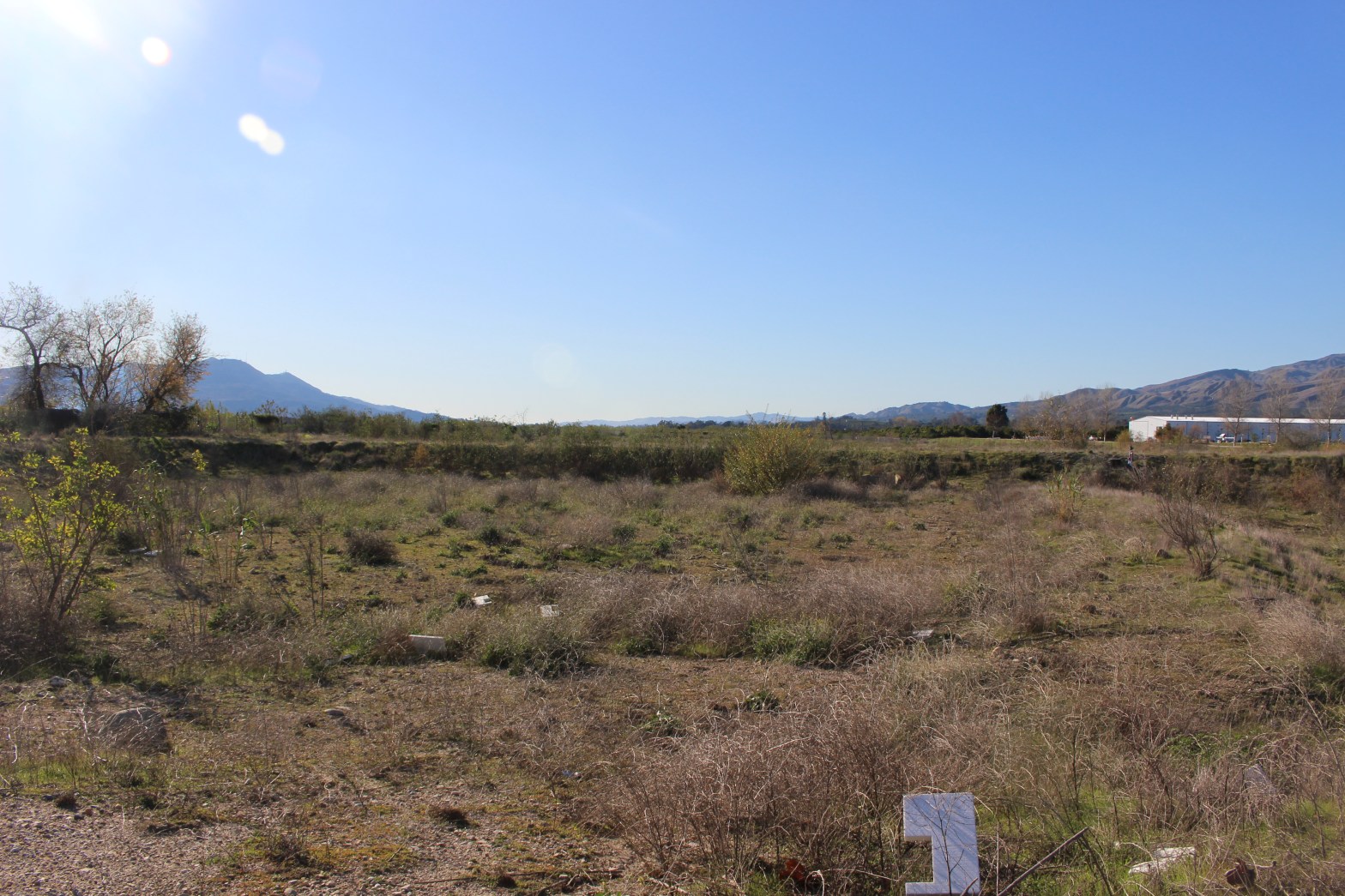
I have recently joined the Sustainable Design and Development Network (SDD) of the American Society of Landscape Architects. The SDD is “committed to ecology-based planning and design and creating landscapes that balance the needs of man and the environment while benefiting both” (ASLA). I decided to join this network because my studio project this quarter looks at ways to adapt and reuse former industrial water cleaning tanks and retention ponds in Fillmore, CA. A core principle of sustainability states that “sustainable development is development that meets the needs of the present without compromising the ability of future generations to meet their own needs” (ISDD), which means that instead of abandoning old industrial artifacts and relegating them to the landfill, as landscape architects, we should incorporate them into future developments as much as possible. Adaptive reuse is an ever increasingly popular form of development that focuses on reusing and recycling previous objects and materials into wholly new contexts with new meanings for the community.
A resource on sustainable design and development that I found on SDD was an article on resilient design. It stated that “the goal of resilient landscape planning and design is to retrofit our communities to recover more quickly from extreme events, now and in the future” (ASLA) because of threats posed by climate change and natural disasters. This reminded me of the flood that rocked Fillmore in 1928 killing more than 400 people after a dam burst miles upstream. Whether a dam burst, torrential rain, rising sea levels or a tsunami (for towns by the coast), flooding is “the most frequently occurring natural disaster globally” (ASLA). My project site in Fillmore is not immune to flooding either, since it is located on the north bank of the Santa Clara River. Because the project site has multiple retention ponds capable of absorbing large quantities of water and a sizable embankment to defend itself from surges of water, the site performs a number of crucial ecosystem services as it sits undeveloped today, including as a rainwater filtration area and partial wetland for some portions of the year. Additionally, these retention ponds should be kept natural just in case the the sites levy one day fails to hold back high levels of water.
 Sustainable Design & Development in Landscape Architecture